



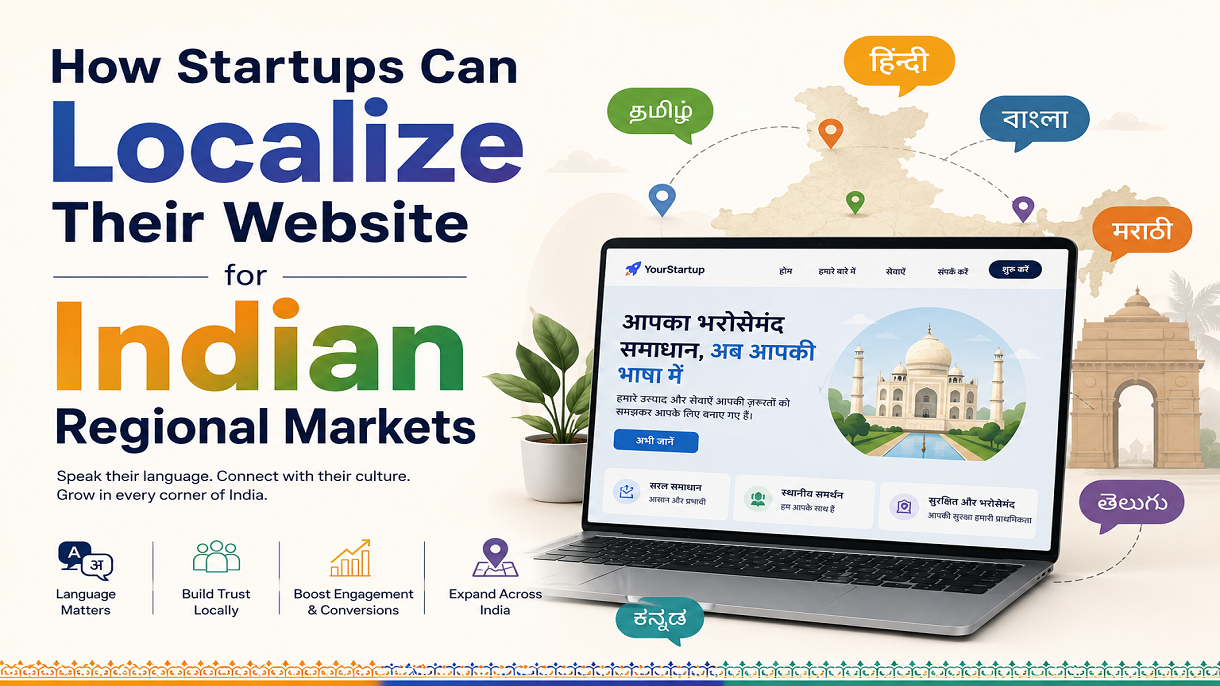
Localize Website for Indian Markets. It’s twenty-two official languages, hundreds of dialects, and wildly different buying behaviors across states. A startup that treats India as a single, English-speaking audience leaves enormous growth on the table.Localization goes far beyond translating text. It means adapting your website so it feels native to a Marathi speaker in Pune, a Tamil speaker in Chennai, or a Bengali speaker in Kolkata. Here’s how startups can approach that process without wasting budget or time.
1. Start With Data, Not Assumptions
Before choosing which regional languages to prioritize, look at where your traffic and conversions already come from. Google Analytics location data reveals which states drive the most visits. Search Console shows which regional keywords already bring in organic traffic, even in English.
Combine this with market research. Hindi covers the largest audience, but Tamil, Telugu, Marathi, Bengali, and Kannada each represent massive, underserved markets online. Pick two or three languages to start, based on where your actual customers live, rather than trying to cover all of India at once.
2. Hire Native Translators, Not Just Bilingual Staff
A common startup mistake: asking a bilingual employee to “quickly translate” the website. This produces stiff, literal text that doesn’t sound natural to native speakers. It can even damage trust.
Native translators bring regional idioms, appropriate formality levels, and cultural context that automated or amateur translation misses entirely. For product pages, pricing, and legal content especially, professional translation protects both your brand and your compliance.
3. Adapt Currency, Units, and Local References
Localization means more than language. Indian users expect prices in rupees, not dollars converted awkwardly. They expect Indian date formats, phone number formats, and familiar payment methods like UPI displayed prominently.
Local examples matter too. A case study referencing a US city means less to an Indian user than one referencing Bangalore or Mumbai. Small details like these build immediate trust and relevance.
4. Build a Proper Multilingual URL Structure
Search engines need clear signals about which page serves which language and region. Use subdirectories like yoursite.com/hi/ for Hindi or yoursite.com/ta/ for Tamil, rather than relying on a JavaScript language switcher alone.
Add hreflang tags to every page, so Google shows the right language version to the right searcher. Skipping this step often causes duplicate content issues and buries your regional pages in search results.
5. Localize SEO, Not Just Content
Keywords don’t translate directly, and search behavior varies by language too. A term Hindi speakers commonly search for on Google might differ completely from the literal translation of your English keyword.
Research keywords natively in each target language. Meta titles, meta descriptions, and header tags all need separate optimization per language version, not just translated copies of the English original.
6. Test Regional Payment and Trust Signals
Indian regional markets often respond strongly to visible trust signals: local testimonials, regional press mentions, and familiar payment logos like UPI, Paytm, or regional bank options. Startups that display these prominently on localized pages see stronger conversion rates than those relying on generic international trust badges alone.
7. Keep Localization Ongoing, Not One-Time
Language and culture shift constantly. Slang evolves, competitor messaging changes, and new regional keywords emerge. Treat localization as an ongoing process, with periodic reviews of translated content, rather than a single project you complete and forget.
Set a quarterly review cycle. Check analytics per language version, update outdated references, and refresh content that no longer reflects current regional search trends.
Common Mistakes Startups Make
Many startups launch a Hindi version and assume that covers “Indian localization” broadly. It doesn’t. Hindi speakers represent a large but far from complete slice of India’s online population.
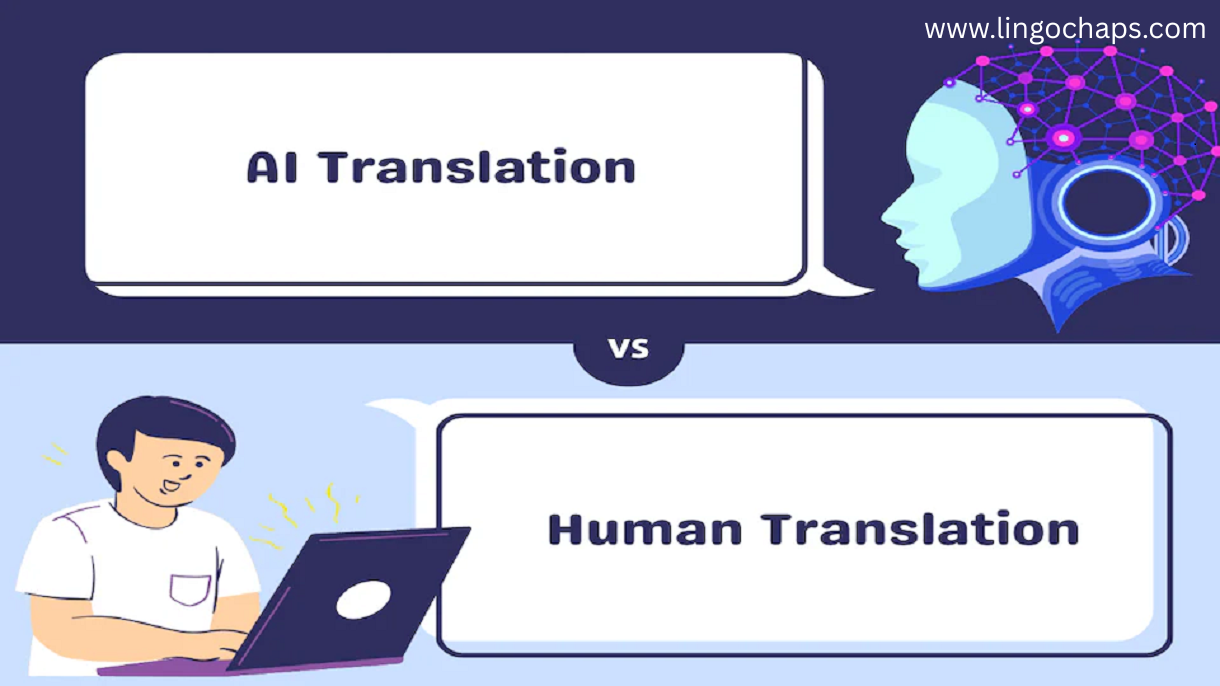
Others rely entirely on free machine translation tools for permanent website content, which often produces awkward phrasing that undermines credibility. A few localize the homepage only, leaving product pages, checkout flows, and support content in English, which frustrates users mid-journey and increases drop-off.
Final Thoughts
Localizing for Indian regional markets takes more effort than a single translation pass, but the payoff is real: higher trust, better conversion rates, and access to audiences competitors overlook entirely. Start with data, invest in native translators, and treat localization as a continuous part of your growth strategy rather than a checkbox task.
Ready to localize your startup’s website for Indian regional markets? Lingo Chaps connects you with native translators across Hindi, Tamil, Telugu, Marathi, Bengali, Kannada, and more — accurate, culturally fluent content that converts.

0 Comments