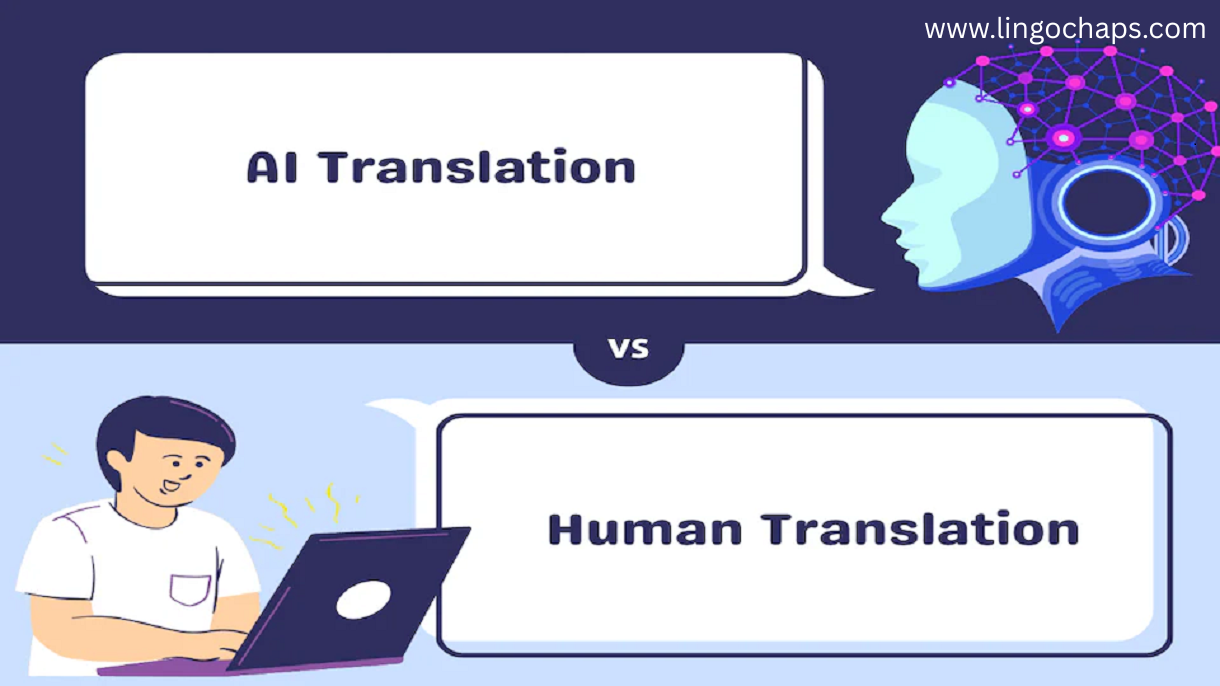
Machine translation has come a long way. AI Translation Tools like Google Translate, DeepL, and newer AI language models now produce fluent, grammatically correct sentences in seconds. They work across dozens of languages, often for free. It’s tempting to think human translators are obsolete.
They aren’t. Not even close.
AI translation has genuinely improved for simple, literal content. But it still fails in predictable, costly ways whenever language carries context, culture, emotion, or legal weight. Businesses rely on accurate communication for contracts, marketing campaigns, medical documents, and immigration paperwork. Those failures can get expensive fast.
Here’s where AI translation tools still fall short in 2026, and why human translators remain essential.
1. Context and Ambiguity
AI models translate word by word, sentence by sentence. They often lack full awareness of the broader document or conversation. This creates problems with ambiguous words that carry multiple meanings.
Take the English word “charge.” It could mean a financial fee, a criminal accusation, an electrical charge, or a military advance. A human translator instantly knows which meaning fits, based on the surrounding text and the document’s purpose. AI tools frequently pick the wrong one. This happens most often in technical, legal, or medical content, where precision matters most.
2. Cultural Nuance and Idioms
Language isn’t just vocabulary and grammar. It’s culture. Idioms, humor, sarcasm, and cultural references rarely translate literally. AI tools tend to translate them exactly that way. The result: sentences that read correctly but mean nothing, or sound embarrassing, in the target language.
A phrase that lands perfectly in English marketing copy might confuse readers in Hindi, Arabic, or Japanese. It could even offend them. Human translators, especially native speakers with cultural fluency, know when to adapt a phrase entirely instead of translating it directly. AI still struggles with that judgment call.
3. Tone and Brand Voice
Every brand has a voice. Some sound formal and authoritative. Others feel casual and warm. Keeping that voice consistent across languages takes judgment AI simply doesn’t have.
AI translation tends to flatten tone into a neutral, generic register. Picture a legal firm’s precise, confident tone next to a lifestyle brand’s friendly, conversational style. After machine translation, they can end up sounding nearly identical. Human translators preserve intent, not just meaning. They know how to make translated content sound like it was written for that audience from the start.
4. High-Stakes and Legal Accuracy
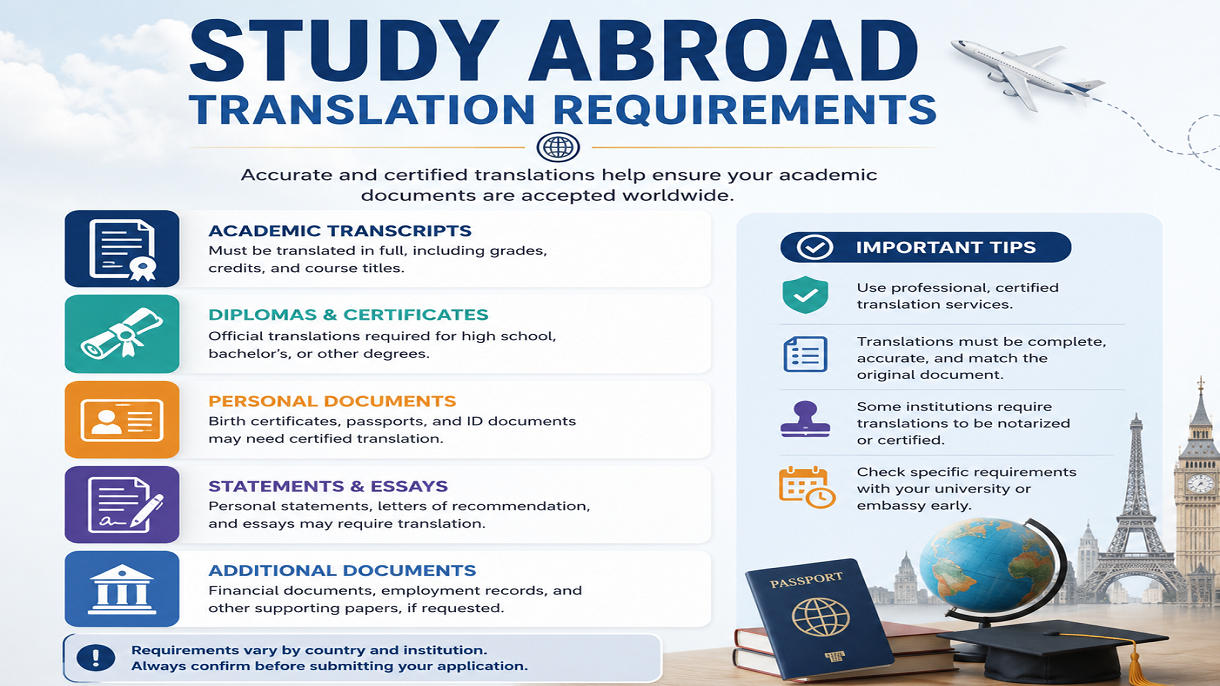
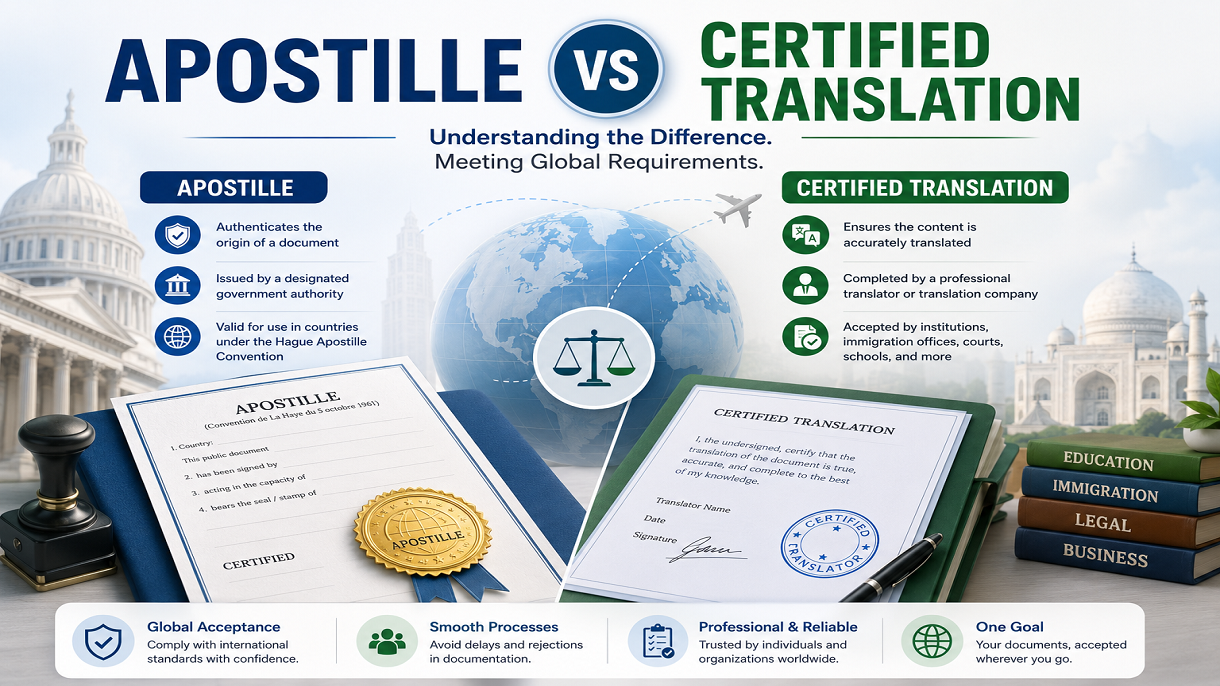
This is where AI failures carry the most risk. Immigration documents, contracts, medical records, court filings, and financial disclosures often require certified translations. A single mistranslated clause can lead to a rejected application. It can trigger legal disputes or compliance violations too.
AI tools carry no accountability and hold no certification. They don’t understand jurisdiction-specific legal terms. Most government agencies, courts, and institutions still require translations completed by a qualified human translator. That’s not tradition — the risk of error is simply too high to automate.
5. Regional Dialects and Language Variants
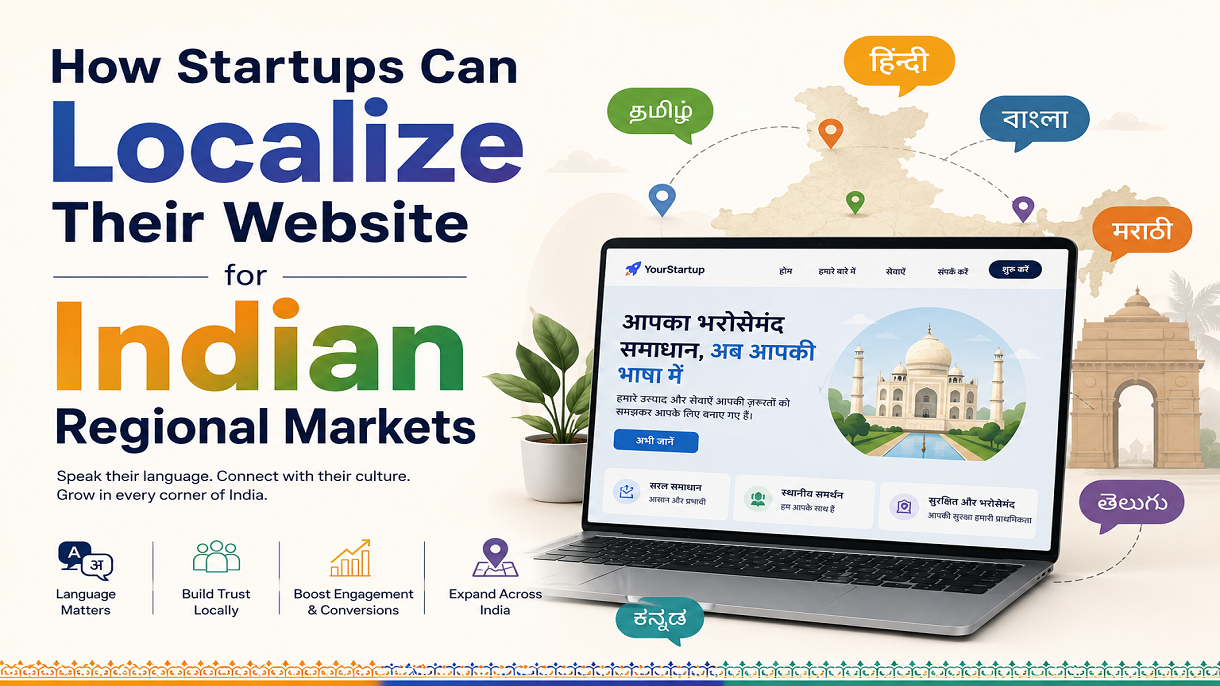
Spanish in Mexico doesn’t match Spanish in Spain. Arabic varies significantly by region. Even within India, Hindi phrasing shifts noticeably between states. AI tools usually default to a “standard” version of a language. They miss the regional variants that matter most to local audiences.
Human translators who are native to a specific region bring that local knowledge naturally. Word choices, formality levels, even spelling conventions — these details make content feel native, not generically translated.
6. Formatting, Layout, and Document Integrity
AI translation tools often struggle with complex formatting. Tables, forms, multi-column layouts, and embedded graphics can shift out of place. Formatting can break. Structural elements can disappear entirely during automated translation.
Professional human translation services typically include formatting review as part of the process. The final document looks as polished as the original. AI tools rarely achieve that without heavy manual cleanup afterward.
7. Accountability When It Matters Most
Here’s the most overlooked gap: when AI mistranslates something important, no one stands behind it. A certified human translator does. They can explain their choices. Institutions that require sworn or certified translations can verify their credentials.
This matters enormously for visa applications, court documents, and medical consent forms. An error here isn’t just inconvenient. It can affect someone’s legal status, health outcome, or financial future.
So, Is AI Translation Useless?
Not at all. AI tools work well for quick, informal translations. Use them to understand the gist of an email, browse a foreign website, or draft a rough starting point. Many human translators even use AI output as a first pass, then refine it.
But high-stakes content deserves more care. Legal, medical, business, and personal documents need real accuracy. Treat AI translation as a first draft, not a final product. Machines still can’t replicate the subtlety, accountability, and cultural judgment human translators bring. That likely won’t change anytime soon.
The Bottom Line
AI has made translation faster and more accessible than ever. But speed isn’t accuracy, and fluency isn’t understanding. Documents and communication that truly matter still need a human touch. Technology keeps improving, but language remains a deeply human thing at its core.
Need accurate, certified human translation for your documents? Lingo Chaps connects you with professional translators across languages who understand not just words, but meaning.



0 Comments